Project Cargo & Logistics

5 Essential Steps for Safe and Efficient Project Cargo Shipping

Key Summary

Successful project cargo shipping requires careful preparation, from understanding cargo specifications and planning the transportation route to preparing shipping documents, coordinating logistics partners, and developing a contingency plan. These five steps help businesses reduce operational risks, minimise avoidable delays, and improve the safety and efficiency of complex cargo movements across Indonesia and international shipping routes.

What to Prepare Before Shipping Project Cargo

Project cargo shipping involves transporting oversized, heavy, or specialised items such as industrial machinery, construction equipment, and large structural components. Unlike standard containerised shipments, these cargo movements often require specialised transport equipment, detailed route assessments, and carefully coordinated loading and unloading operations.

For businesses planning project cargo transportation in Indonesia or internationally, preparation is essential to ensure the cargo can move safely from its origin to its final destination. Understanding the cargo requirements, confirming route feasibility, preparing documentation, coordinating stakeholders, and anticipating potential disruptions can help prevent costly mistakes and keep logistics operations on schedule.

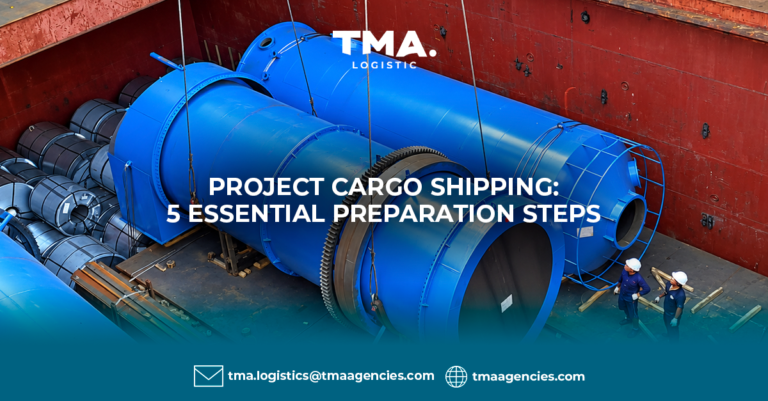
Heavy industrial equipment suspended by a crane above a cargo ship's hold during loading operations.

5 Essential Steps for Safe and Efficient Project Cargo Shipping

  1. Understand Your Project Cargo Specifications.

    Before arranging transportation, gather accurate information about the cargo's dimensions, total weight, type, centre of gravity where relevant, and handling requirements. Details such as lifting points, fragile components, packaging, and weight distribution help logistics providers determine the appropriate vessel, transport equipment, lifting method, and cargo securing arrangements.

    Accurate cargo specifications are particularly important when transporting oversized industrial machinery or heavy equipment. Incomplete measurements or incorrect weight information can lead to unsuitable equipment selection, loading difficulties, and additional costs. Providing technical drawings and handling instructions early helps the logistics team assess the cargo and plan the operation more effectively.

  2. Plan the Complete Project Cargo Shipping Route.

    Project cargo route planning must consider the entire transportation journey, from the cargo's origin to the final delivery location. This includes road access, bridge load limits, port facilities, vessel suitability, draft restrictions, cargo handling arrangements, and the availability of suitable loading and unloading equipment. For shipments across Indonesia's archipelago, port accessibility and destination infrastructure can significantly influence the transportation plan.

    A route that accommodates the cargo at one stage may not be suitable for the next. Businesses should therefore assess every transfer point, including road transportation, port handling, sea transportation, and final delivery. Early route assessment helps identify restrictions, determine suitable transport methods, and reduce the risk of unexpected delays or costly changes during the operation.

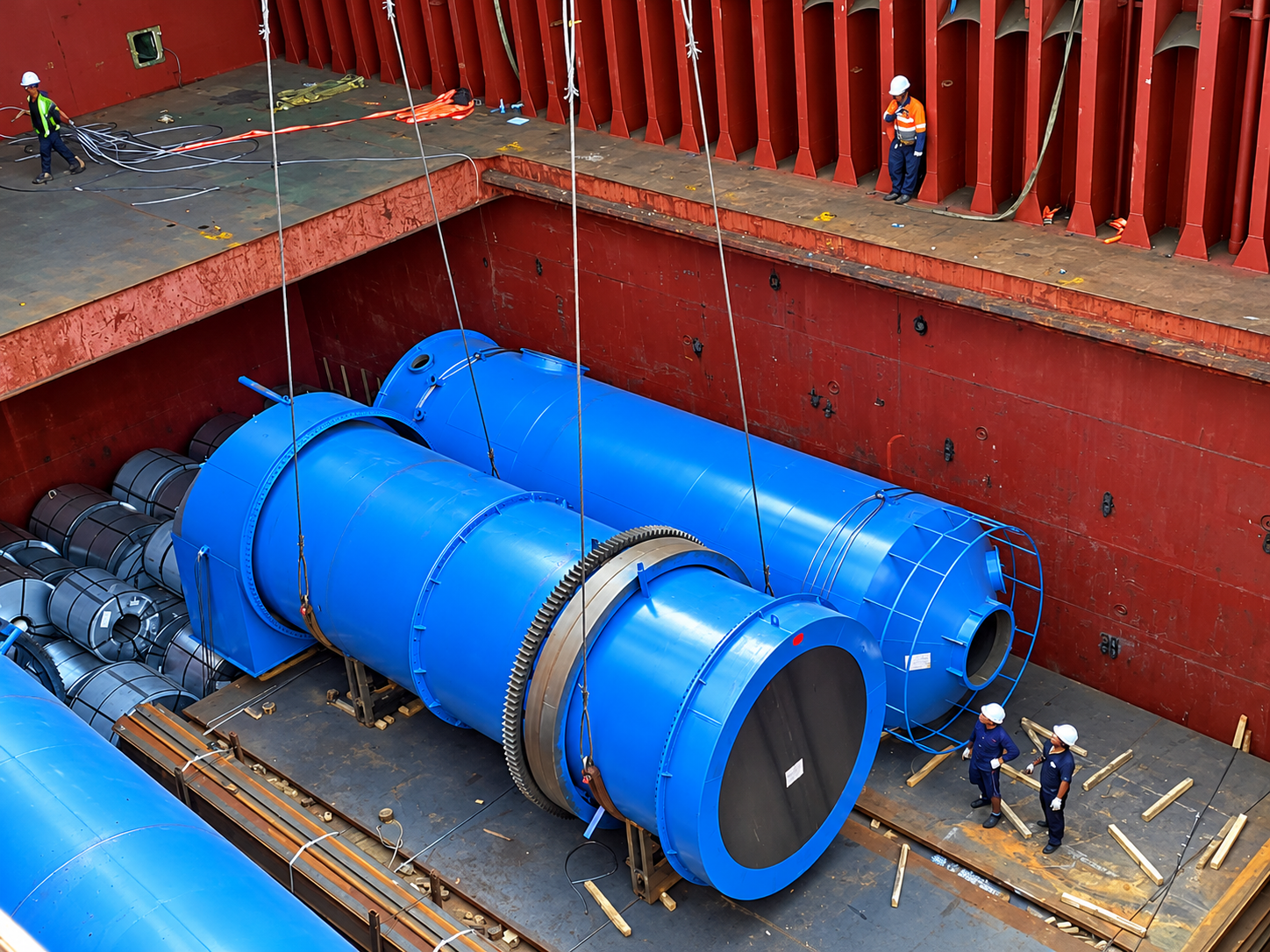
Large industrial machinery stowed inside a cargo vessel for sea transportation, supporting TMA Logistics' RDF drying production line project from Tanjung Perak Port, Surabaya, to Kuta, Bali.
  1. Prepare the Required Project Cargo Shipping Documents.

    Proper documentation supports smooth project cargo operations and helps prevent avoidable delays. Depending on the shipment, required documents may include cargo specifications, packing lists, commercial invoices, bills of lading, customs declarations, permits, and technical documents for lifting and cargo securing. The exact requirements depend on the cargo type, transportation route, and applicable regulations.

    Businesses should verify documentation requirements with their logistics partners and relevant authorities before the shipment begins. Cargo descriptions, dimensions, weights, and other details should be consistent across the necessary documents. For international shipments, customs requirements and applicable import or export permits should also be confirmed in advance to support regulatory compliance and timely cargo clearance.

  2. Coordinate with the Right Project Cargo Logistics Partners.

    Project cargo transportation often involves multiple stakeholders, including cargo owners, freight forwarders, shipping agents, vessel operators, port operators, transporters, stevedoring teams, and specialised cargo handlers. Each party has a role in ensuring that the cargo is prepared, transported, loaded, secured, and delivered according to the agreed operational plan.

    Clear communication and early coordination help align schedules, responsibilities, equipment availability, and handling requirements. Businesses should establish key contacts, share technical cargo information, confirm operational timelines, and clarify who is responsible for each stage. Effective coordination reduces miscommunication and helps ensure that all parties are prepared before loading and transportation begin.

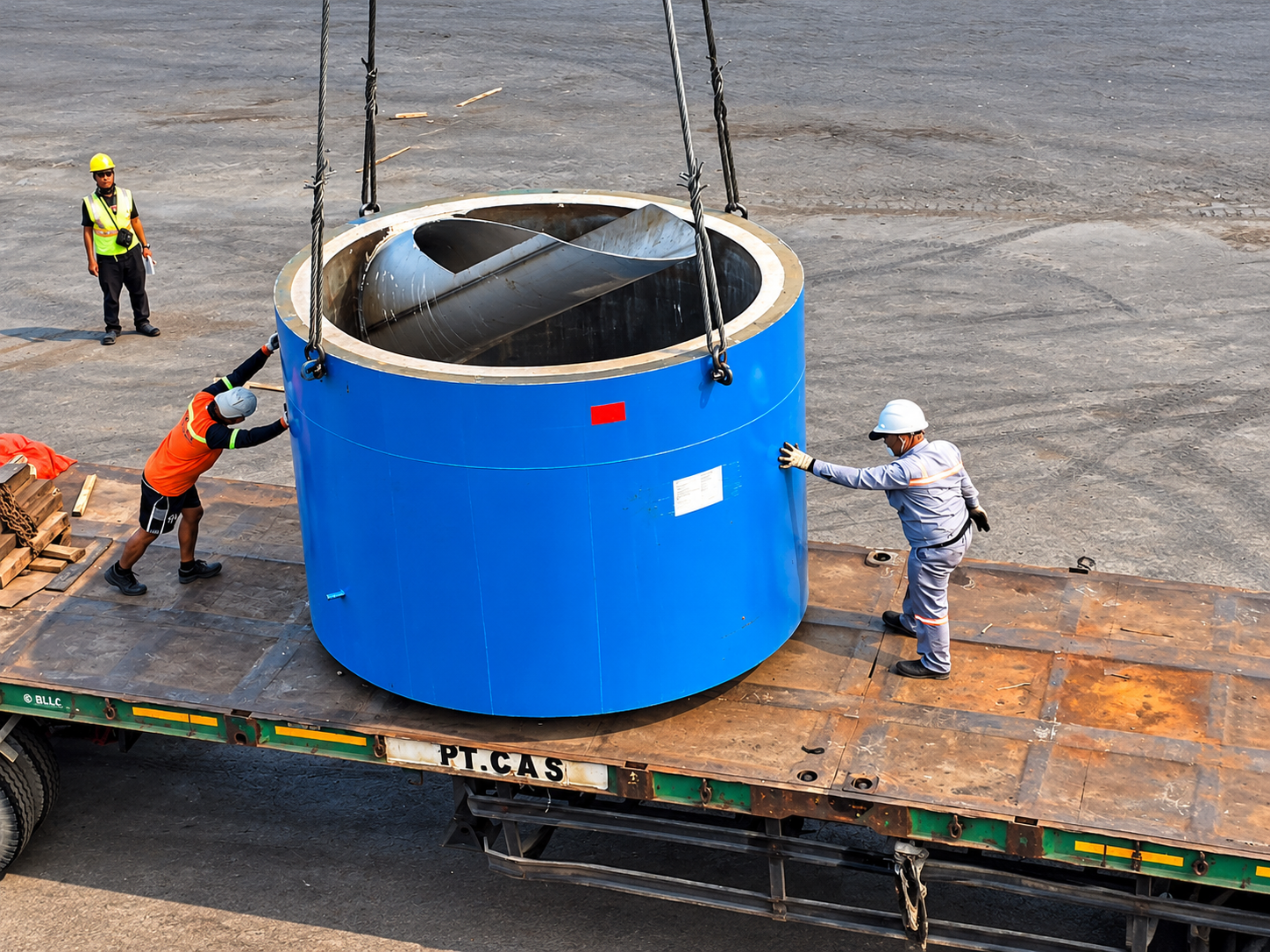
Crane lifting heavy industrial equipment for the RDF drying production line during cargo handling operations.
  1. Develop a Contingency Plan for Project Cargo Transportation.

    Even with careful preparation, project cargo shipments may be affected by adverse weather, port congestion, equipment breakdowns, road restrictions, or documentation issues. These disruptions can affect vessel schedules, cargo handling operations, and final delivery timelines. Identifying potential risks before transportation begins helps businesses prepare practical responses rather than making rushed decisions during an unexpected situation.

    A contingency plan should outline potential disruptions, their operational impact, responsible personnel, and available corrective actions. Depending on the shipment, this may include alternative scheduling arrangements, backup equipment options, additional document checks, or feasible alternative routes. A well-prepared contingency plan helps logistics teams respond more efficiently while maintaining appropriate safety and operational requirements.

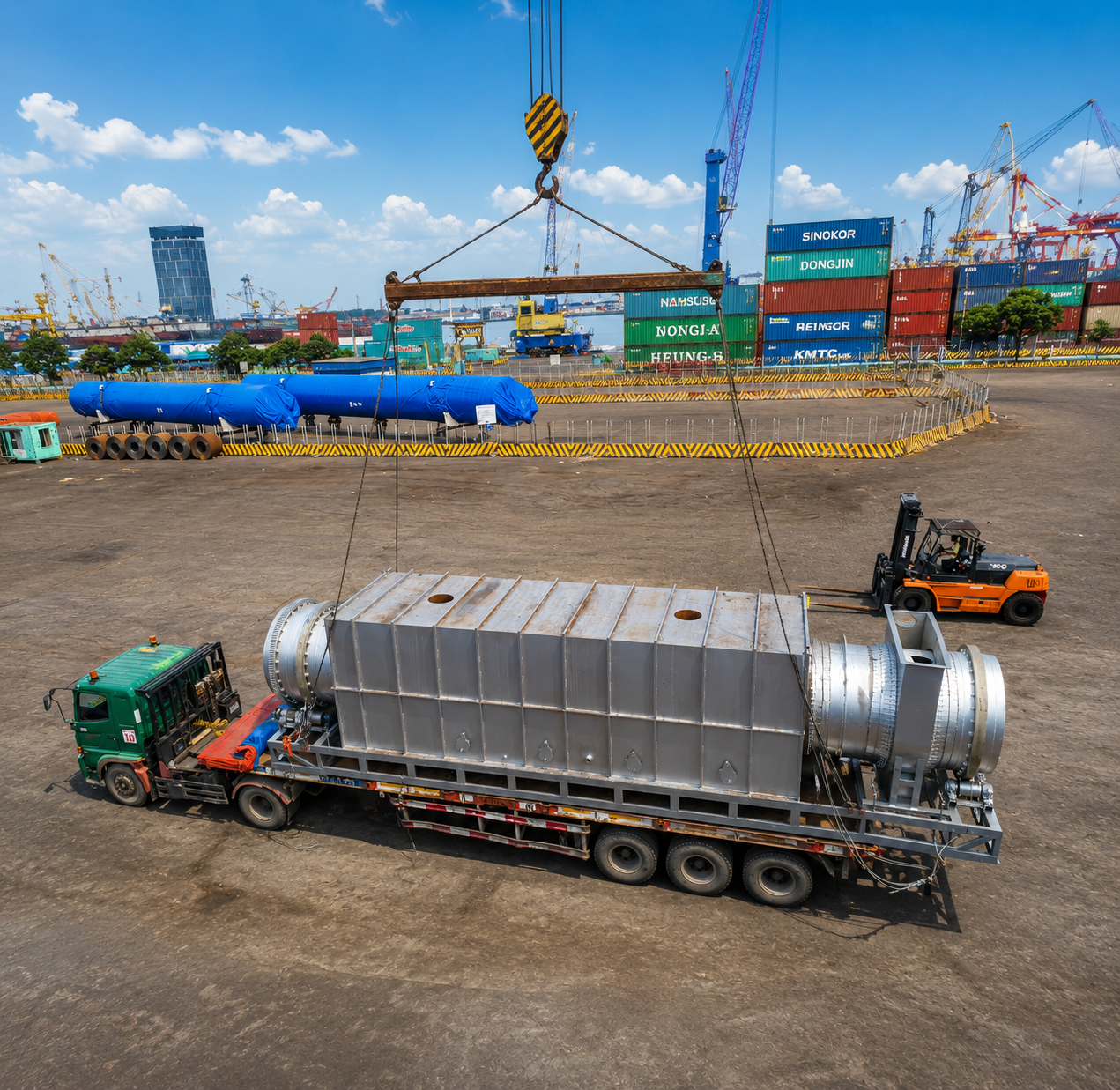
Oversized industrial machinery prepared for inland transportation as part of TMA Logistics' project cargo handling and RDF drying production line delivery to Kuta, Bali.

Plan Your Project Cargo Shipping with TMA Logistics

Successful project cargo shipping starts with preparation. By confirming cargo specifications, assessing route feasibility, preparing documentation, coordinating logistics partners, and planning for unexpected disruptions, businesses can improve operational readiness and reduce avoidable transportation risks.

TMA Logistics understands the importance of planning and coordination in maritime logistics and complex cargo movements. If your business is preparing to transport heavy machinery, industrial equipment, or oversized cargo, contact TMA Logistics to discuss your cargo specifications, origin, destination, schedule, and transportation requirements. Our team can help you explore suitable logistics arrangements for your shipment.

Key takeaway: Safe and efficient project cargo shipping depends on accurate cargo information, end-to-end route planning, complete documentation, coordinated logistics partners, and a practical contingency plan. Preparing these five areas early helps businesses reduce avoidable risks and manage complex cargo movements more effectively.

Frequently Asked Questions About Project Cargo Shipping

What is project cargo shipping?

Project cargo shipping is the transportation of oversized, heavy, or specialised cargo that requires detailed logistics planning and, in many cases, specialised handling equipment. Common examples include industrial machinery, construction equipment, power plant components, and large structural components.

What information is required before shipping project cargo?

Essential information includes cargo dimensions, total weight, cargo type, lifting points, handling requirements, origin, destination, and delivery schedule. Technical drawings and centre-of-gravity information may also be required for specialised lifting and securing arrangements.

What documents are needed for project cargo transportation?

Depending on the shipment, documents may include cargo specifications, packing lists, commercial invoices, bills of lading, customs declarations, permits, and technical handling documents. Requirements vary according to the cargo, route, and applicable regulations.

How do you plan a route for oversized cargo?

Route planning involves assessing road access, bridge load limits, port facilities, vessel suitability, draft restrictions, loading and unloading arrangements, and destination infrastructure. The entire journey must accommodate the cargo, including any road transport and transfer points.

What are the main risks in project cargo shipping?

Common risks include inaccurate cargo information, unsuitable transport equipment, route restrictions, adverse weather, port congestion, equipment breakdowns, documentation issues, and poor coordination. Early planning and contingency measures can help reduce their impact.

Why is coordination important in project cargo logistics?

Project cargo operations involve multiple parties responsible for transportation, vessel operations, documentation, port handling, and delivery. Clear responsibilities, timely communication, and aligned schedules help minimise miscommunication and avoidable delays.

How can businesses prepare for project cargo shipping in Indonesia?

Businesses should verify cargo specifications, assess the complete route, confirm port and vessel suitability, prepare required documents, coordinate logistics partners, and establish contingency plans. For inter-island shipments, port accessibility, vessel availability, and destination infrastructure should receive particular attention.

When should I contact a project cargo logistics provider?

It is best to engage a logistics provider during the early planning stage, before finalising transportation arrangements. Early consultation allows the team to assess cargo requirements, identify potential restrictions, evaluate transport options, and coordinate the resources needed for the shipment.

Planning Your Next Project Cargo Shipment?

Contact TMA Logistics to discuss your heavy equipment, industrial machinery, or oversized cargo transportation requirements. Share your cargo details, origin, destination, and schedule so our team can discuss suitable logistics arrangements with you.

Contact TMA Logistics

Read Other News

Discover the latest news, achievements, and industry updates from TMA Group.
Stay informed about how we continue to innovate and grow in the maritime industry.

Harbour Nine Business District Block C-12 Jl. Gresik, Surabaya - Jawa Timur

Agencies

Logistic

© 2026 All Rights Reserved.