Life at Sea vs Life on Shore: Different Roles, One Purpose in...
Read More
Why the Maritime Industry Is Sensitive to Exchange Rate Changes
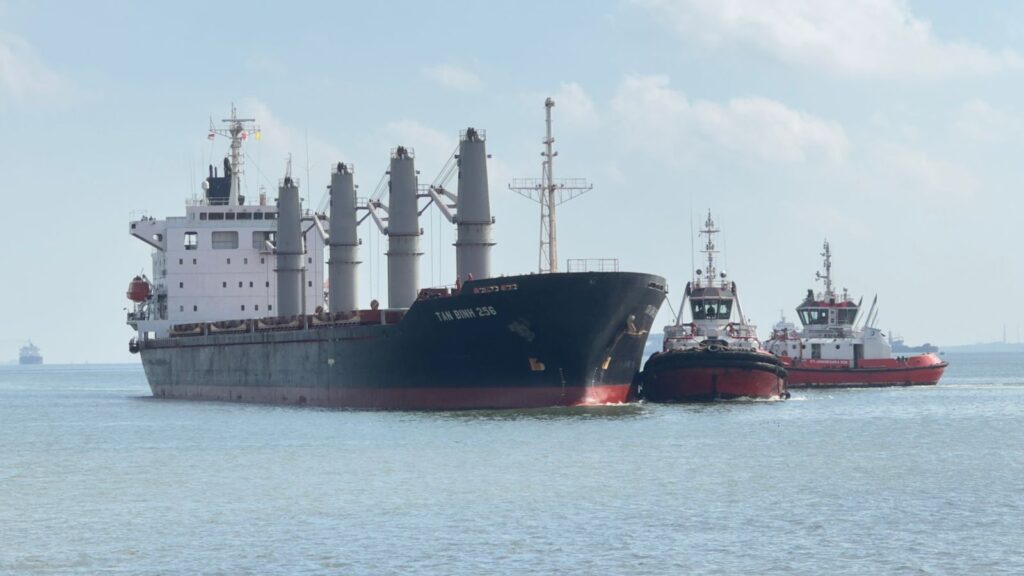
Indonesia is the world’s largest archipelagic country, with thousands of islands connected by maritime transportation. Shipping plays a vital role in distributing goods across the country while supporting international trade.
Many goods and services used by the maritime industry are purchased from overseas and paid for in US dollars. When the dollar strengthens against the rupiah, companies need more local currency to purchase the same products or services. This increases operational costs throughout the logistics supply chain.
As a result, exchange rate fluctuations influence shipping companies, cargo owners, exporters, importers, freight forwarders, and logistics service providers.
Rising Fuel Costs Increase Shipping Expenses
Fuel represents one of the largest operating costs in the maritime industry. Although Indonesia has domestic fuel production, a significant portion of fuel demand is still supported through imports.
Since international fuel transactions are conducted in US dollars, a stronger dollar increases the cost of imported fuel. Shipping companies may experience higher bunker costs, while trucking companies and logistics providers also face increasing transportation expenses.
Higher fuel prices can eventually affect freight rates and logistics costs, influencing businesses throughout the entire supply chain.
Imported Equipment Becomes More Expensive
The maritime sector depends heavily on imported equipment and spare parts. Vessel engines, navigation systems, safety equipment, communication devices, and maintenance components are commonly sourced from international manufacturers.
When the US dollar rises, importing these products becomes more expensive. Shipping companies may face higher maintenance costs, while logistics businesses could delay equipment upgrades or increase operational budgets to maintain service quality.
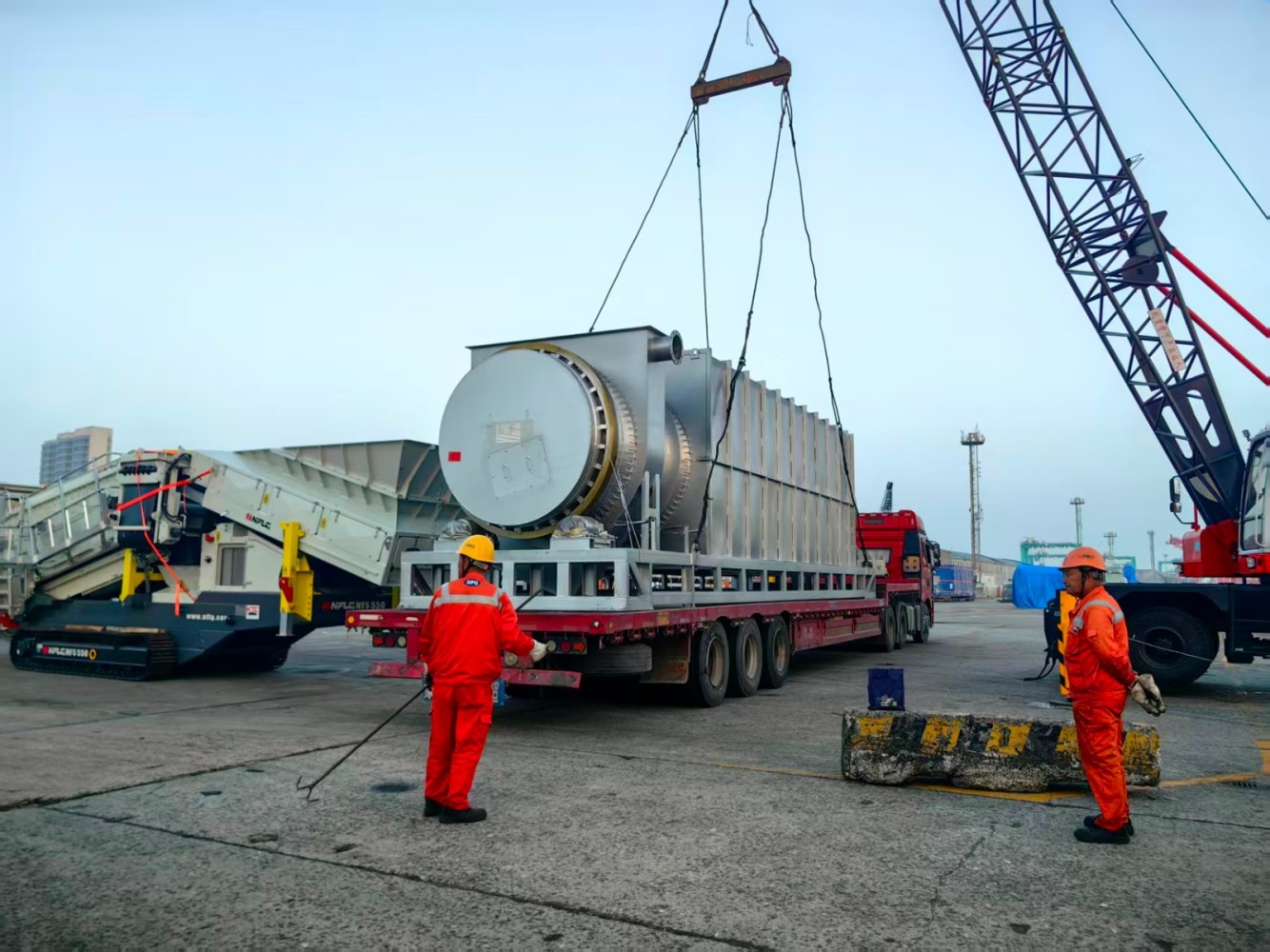
Ports and logistics facilities also rely on imported machinery such as cranes, cargo handling equipment, warehouse technology, and transportation systems. Currency fluctuations therefore influence investments across the maritime industry.
The Impact on Indonesia’s Logistics Industry
Exchange rate volatility affects more than shipping companies alone. Logistics providers, warehouse operators, freight forwarders, and cargo owners also experience higher procurement costs when imported equipment and transportation services become more expensive.
Businesses may need to adjust pricing strategies, improve operational efficiency, or optimize supply chain planning to maintain profitability during periods of currency fluctuation.
Companies that proactively manage logistics costs are generally better prepared to adapt to changing market conditions while maintaining reliable service for customers.
Stronger US Dollar Creates Opportunities for Exporters
Although a stronger US dollar increases import costs, it can also provide advantages for export-oriented businesses.
Many Indonesian exporters pay production expenses in rupiah while receiving payments from international buyers in US dollars. When the dollar appreciates, export revenues convert into more rupiah, which can improve overall profitability.
Industries such as agriculture, fisheries, commodities, manufacturing, and industrial products often benefit from favorable exchange rates because they generate income in foreign currency while many operating expenses remain in local currency.
Higher export earnings also contribute to Indonesia’s foreign exchange reserves and support long-term economic growth.
Maintaining a Healthy Trade Balance
A balanced trade environment is important for strengthening Indonesia’s economy. Increasing export value while managing import dependence can improve economic resilience and reduce the impact of global currency fluctuations.
For businesses operating in the maritime and logistics sector, careful planning, efficient supply chain management, and cost optimization are essential strategies during periods of exchange rate volatility.
Companies that monitor economic conditions and adjust their operations accordingly are better positioned to maintain competitiveness in both domestic and international markets.
How TMA Group Supports Maritime and Logistics Operations
Managing logistics during changing economic conditions requires experience, planning, and reliable operational support.
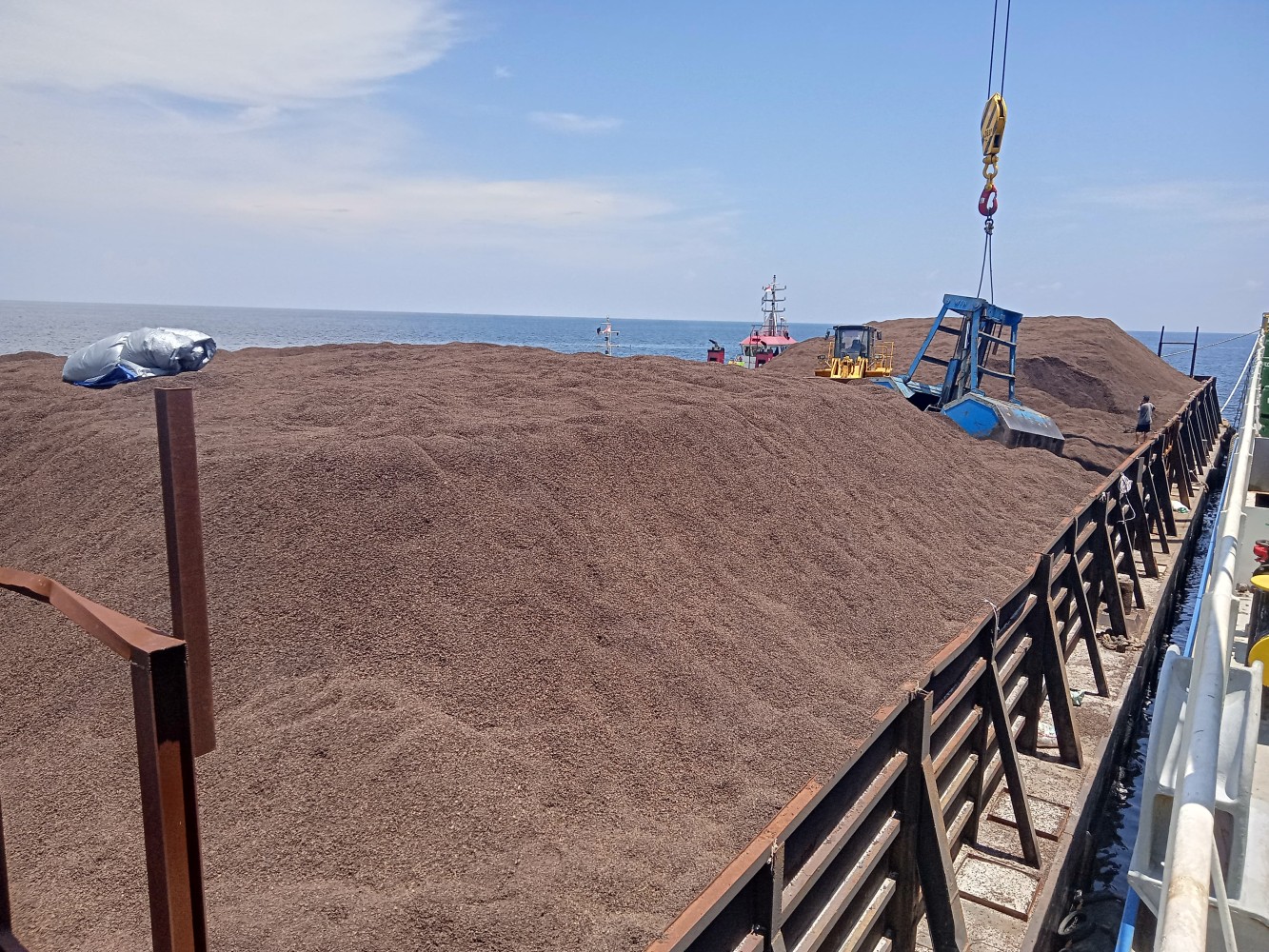
TMA Group provides integrated shipping agency and maritime logistics services that help businesses maintain efficient operations across Indonesian ports. Our services include vessel agency, cargo handling coordination, port operations, logistics support, documentation, and maritime solutions tailored to each client’s operational requirements.
With an experienced team and a nationwide operational network, TMA Group helps shipping companies, cargo owners, and logistics partners navigate operational challenges while maintaining efficient and reliable supply chain performance.
As global markets continue to evolve, having a trusted maritime partner can help businesses improve efficiency, reduce operational risks, and keep cargo moving smoothly across Indonesia.
How a Stronger US Dollar Affects Indonesia’s Maritime and Logistics Industry
How a Stronger US Dollar Affects Indonesia’s Maritime and Logistics Industry Exchange...
Read More
PT TMA Receives Appreciation from PT BMS for Excellence in Port Services and Maritime Operations in Indonesia
PT TMA Receives Appreciation from PT BMS for Excellence in Port Services...
Read More
Harbour Nine Business District Block C-12 Jl. Gresik, Surabaya - Jawa Timur