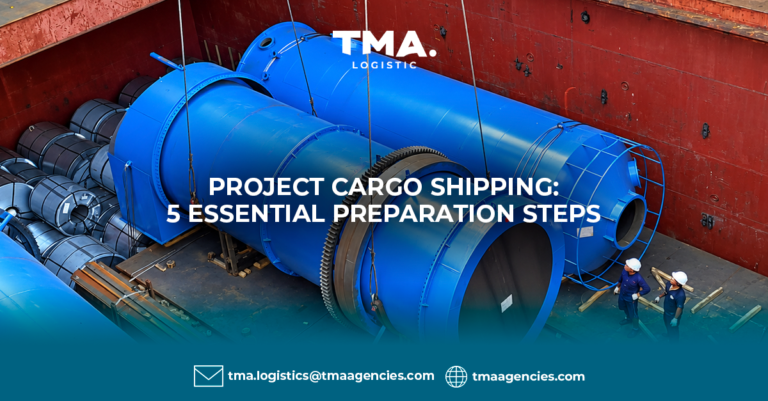
Plan Your Project Cargo Shipping with TMA Logistics
Successful project cargo shipping starts with preparation.
By confirming cargo specifications, assessing route feasibility,
preparing documentation, coordinating logistics partners,
and planning for unexpected disruptions, businesses can
improve operational readiness and reduce avoidable
transportation risks.
TMA Logistics understands the importance of planning and
coordination in maritime logistics and complex cargo movements.
If your business is preparing to transport heavy machinery,
industrial equipment, or oversized cargo, contact TMA Logistics
to discuss your cargo specifications, origin, destination,
schedule, and transportation requirements. Our team can help
you explore suitable logistics arrangements for your shipment.
Frequently Asked Questions About Project Cargo Shipping
What is project cargo shipping?
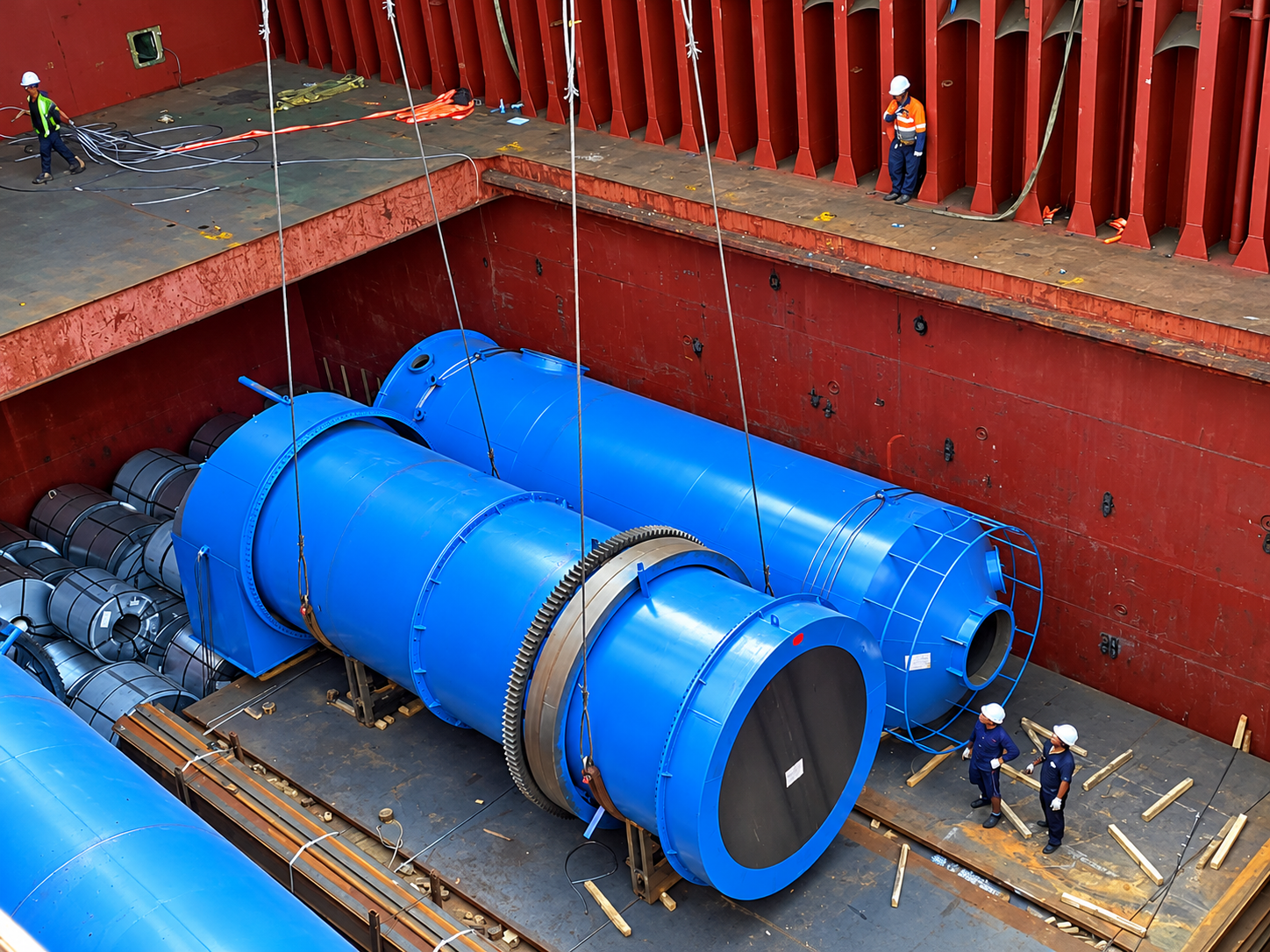
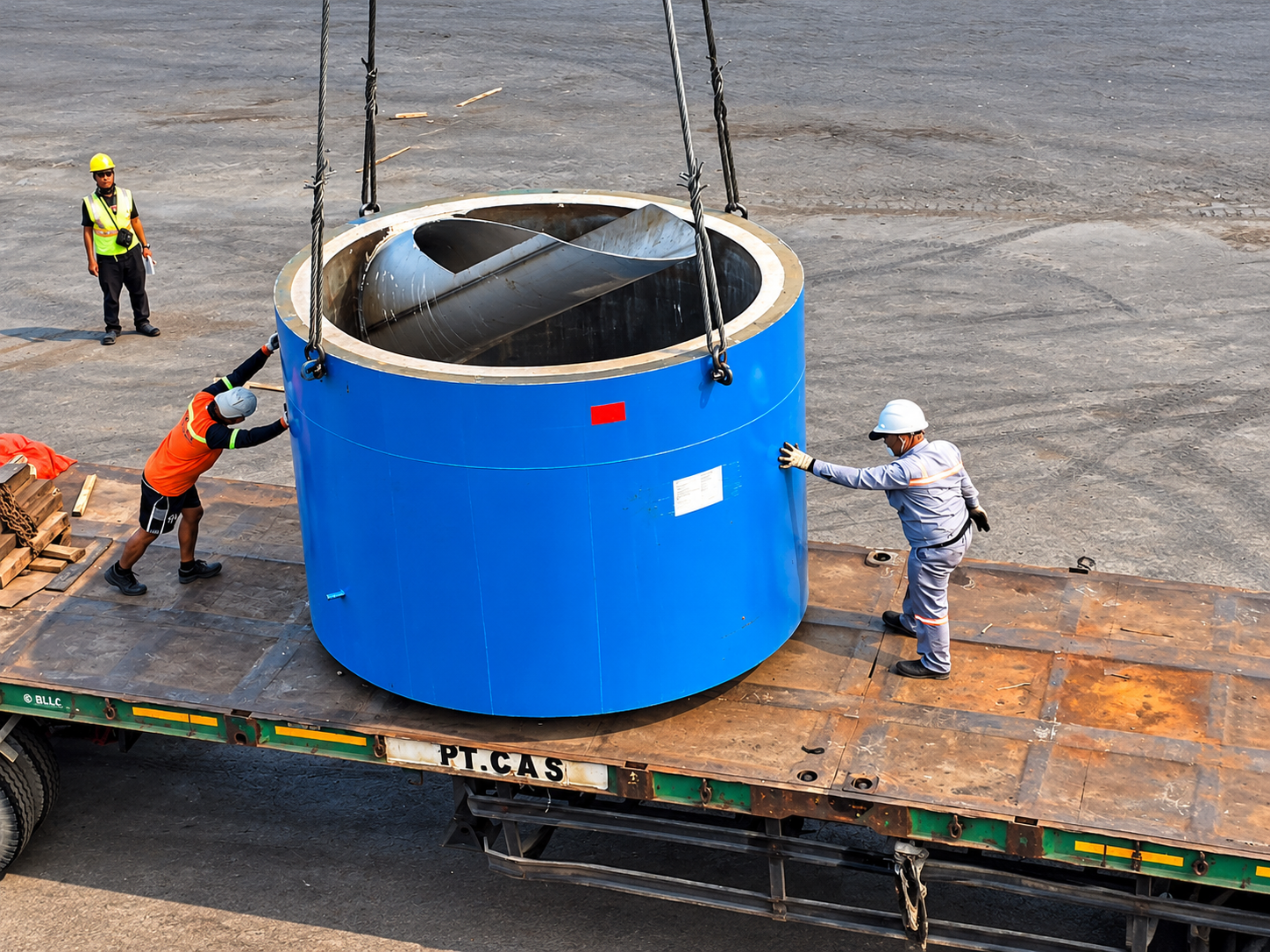
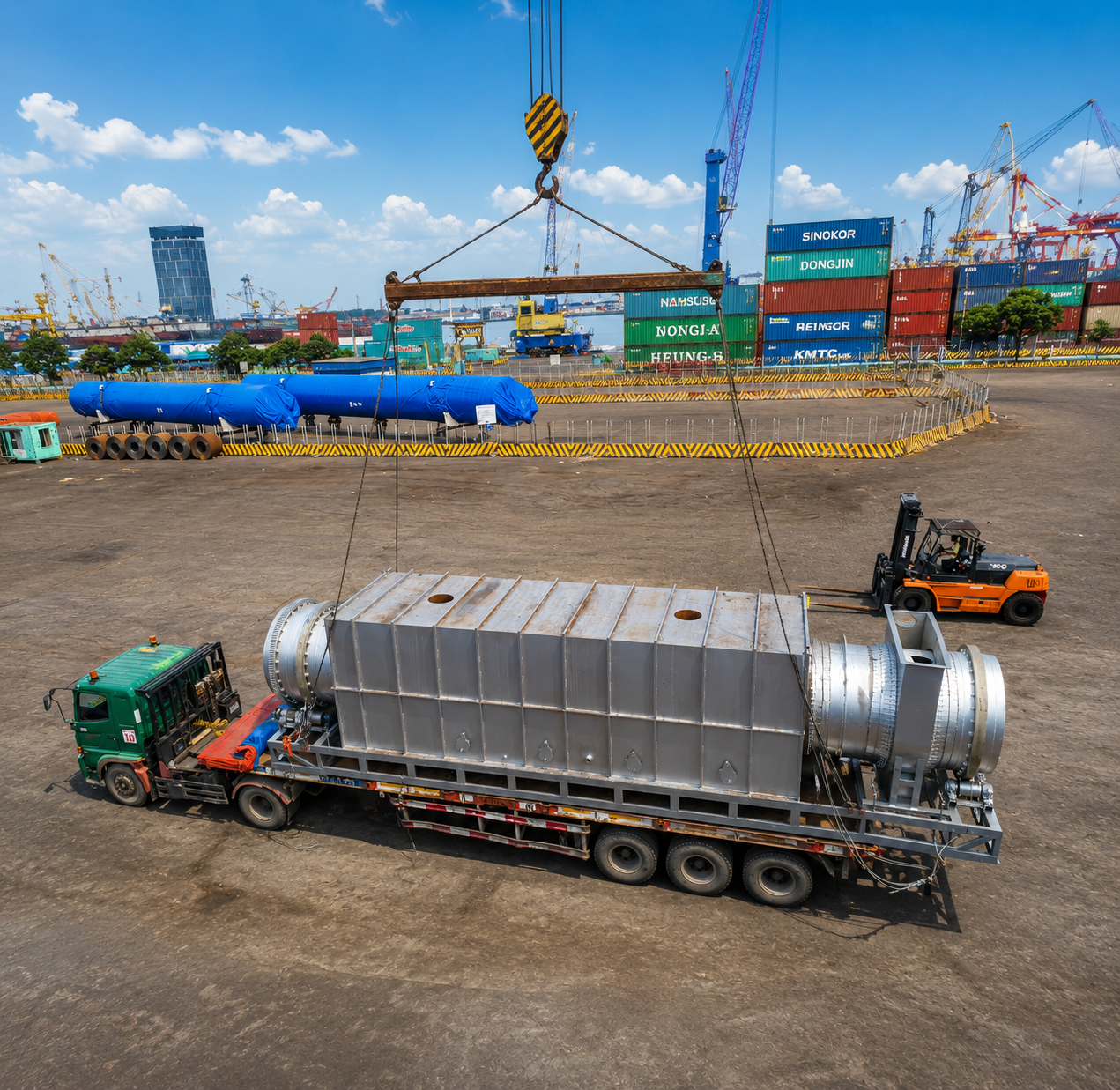
Project cargo shipping is the transportation of oversized,
heavy, or specialised cargo that requires detailed logistics
planning and, in many cases, specialised handling equipment.
Common examples include industrial machinery, construction
equipment, power plant components, and large structural
components.
What information is required before shipping project cargo?
Essential information includes cargo dimensions, total
weight, cargo type, lifting points, handling requirements,
origin, destination, and delivery schedule. Technical
drawings and centre-of-gravity information may also be
required for specialised lifting and securing arrangements.
What documents are needed for project cargo transportation?
Depending on the shipment, documents may include cargo
specifications, packing lists, commercial invoices, bills
of lading, customs declarations, permits, and technical
handling documents. Requirements vary according to the
cargo, route, and applicable regulations.
How do you plan a route for oversized cargo?
Route planning involves assessing road access, bridge
load limits, port facilities, vessel suitability, draft
restrictions, loading and unloading arrangements, and
destination infrastructure. The entire journey must
accommodate the cargo, including any road transport
and transfer points.
What are the main risks in project cargo shipping?
Common risks include inaccurate cargo information,
unsuitable transport equipment, route restrictions,
adverse weather, port congestion, equipment breakdowns,
documentation issues, and poor coordination. Early
planning and contingency measures can help reduce
their impact.
Why is coordination important in project cargo logistics?
Project cargo operations involve multiple parties
responsible for transportation, vessel operations,
documentation, port handling, and delivery. Clear
responsibilities, timely communication, and aligned
schedules help minimise miscommunication and
avoidable delays.
How can businesses prepare for project cargo shipping in Indonesia?
Businesses should verify cargo specifications, assess
the complete route, confirm port and vessel suitability,
prepare required documents, coordinate logistics partners,
and establish contingency plans. For inter-island
shipments, port accessibility, vessel availability,
and destination infrastructure should receive particular
attention.
When should I contact a project cargo logistics provider?
It is best to engage a logistics provider during the
early planning stage, before finalising transportation
arrangements. Early consultation allows the team to
assess cargo requirements, identify potential restrictions,
evaluate transport options, and coordinate the resources
needed for the shipment.