What Is ETA in Shipping?
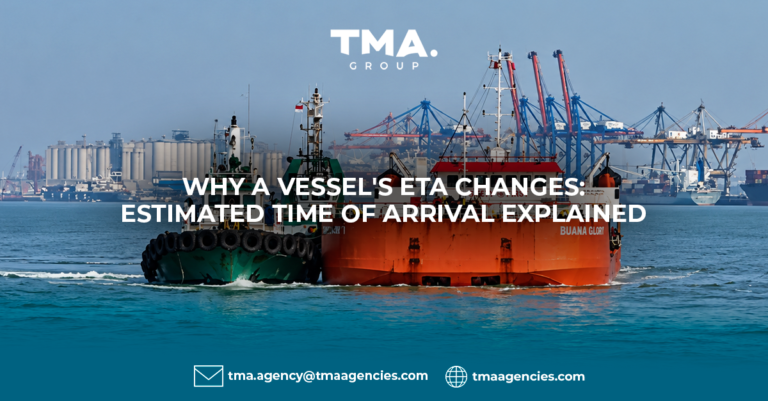
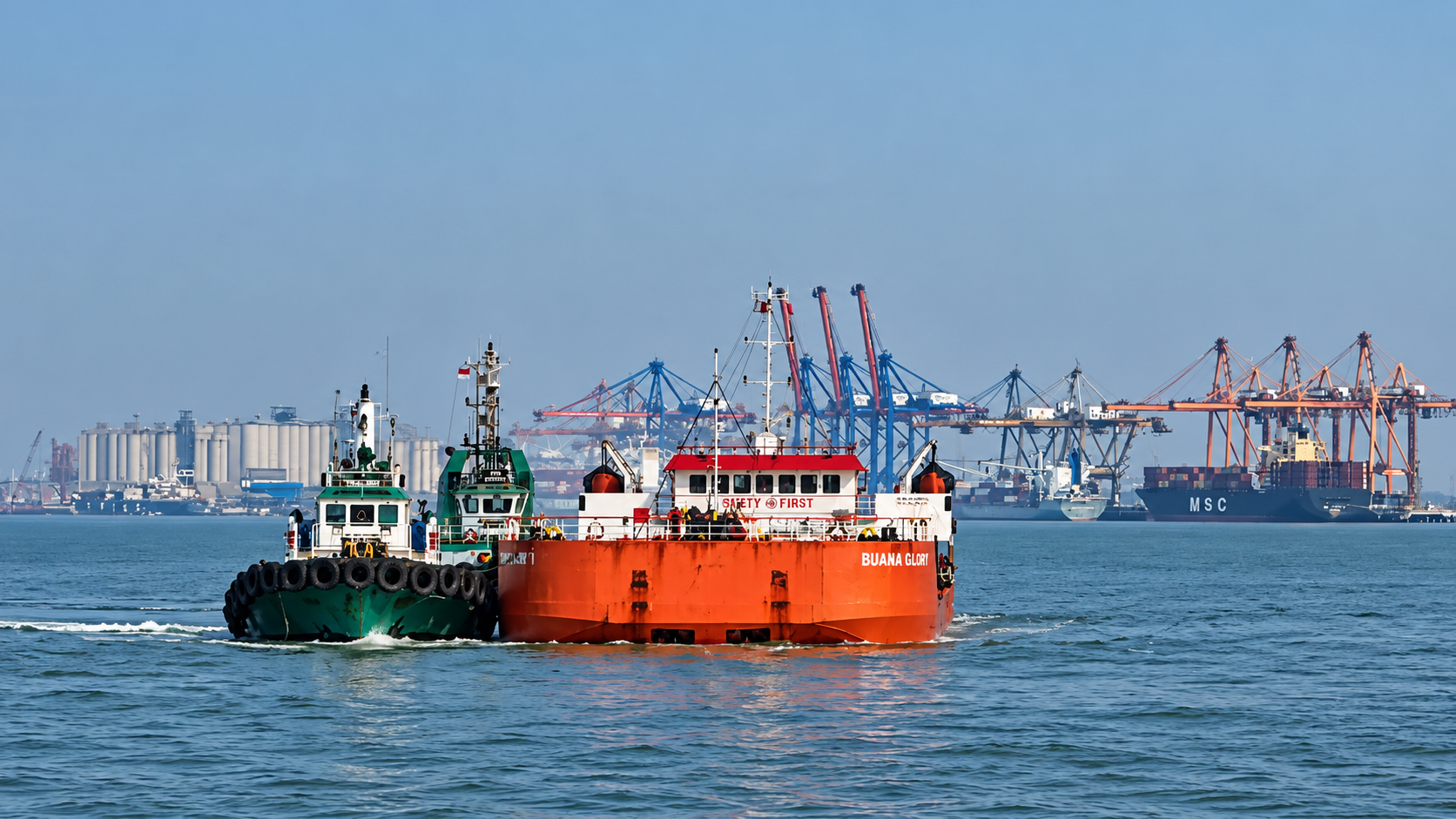
In the shipping industry, you will often hear the term ETA, short for Estimated Time of Arrival. It is the expected time a vessel will arrive at a port, terminal, or anchorage. As the name suggests, it is a forecast of the arrival time. It is an estimate that stays open to updates, and the Actual Time of Arrival (ATA) is only confirmed once the ship has arrived.
This is why a ship's arrival time can shift while the vessel is at sea. A vessel's ETA is built on the voyage plan, and the voyage plan responds to real conditions on the water.
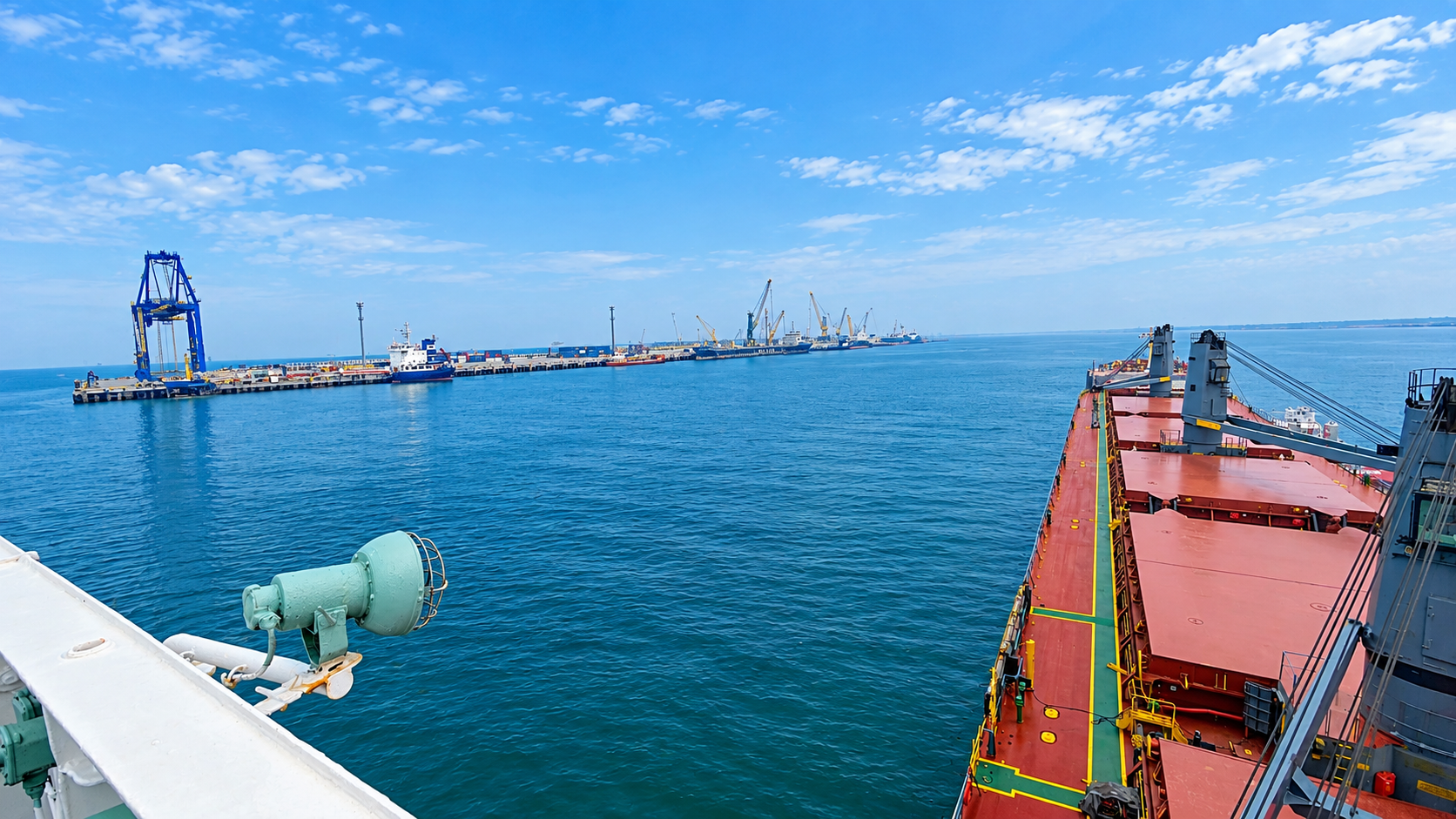
What Factors Can Change a Vessel's ETA?
Several factors can affect a vessel's ETA during a voyage. The three most common are:
- Weather conditions. High waves, strong winds, poor visibility, and rough seas may require a vessel to reduce its speed or adjust its route to ensure a safe voyage.
- Traffic along the shipping route. Busy waterways and heavy vessel traffic can affect sailing speed and require ships to navigate more carefully.
- Operational adjustments. Changes to the sailing schedule, route optimization, or other operational requirements may be made to improve efficiency and support the overall voyage plan.
Because these factors can change at any point along the journey, a vessel's ETA can change throughout the voyage.
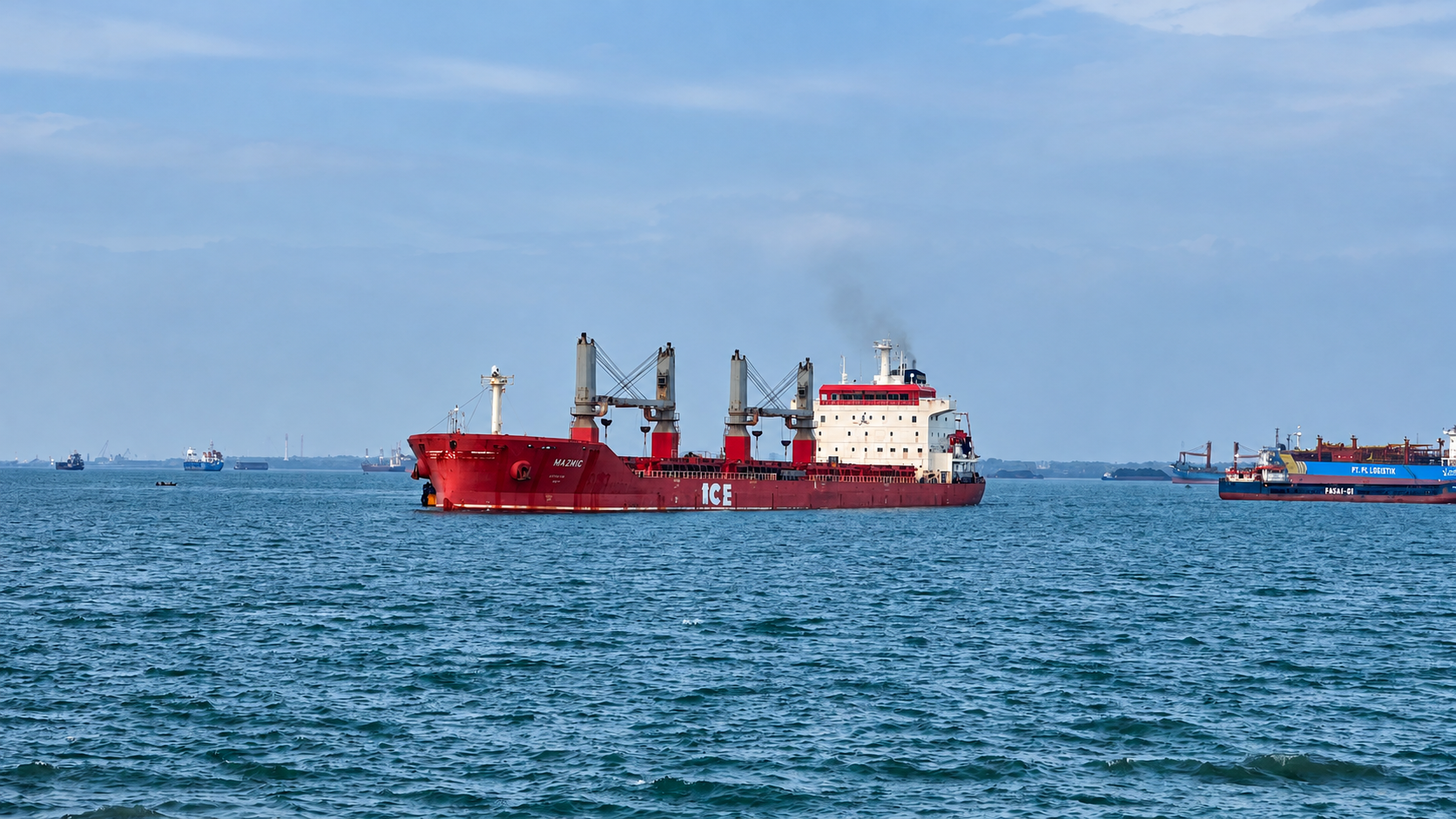
Who Monitors and Updates a Vessel's ETA?
Shipping companies, ports, and shipping agents continuously monitor the vessel's progress. Whenever necessary, they update the ETA so that everyone involved can prepare for the vessel's arrival. This coordination helps port teams plan berth availability, helps agents arrange services for the vessel, and keeps all parties working from the same information.
Vessel tracking websites such as VesselFinder and MarineTraffic also let people monitor a vessel and follow its ETA. They are a helpful tool for shipping companies, agents, and cargo owners. But no single website should be the only source, so always confirm the latest ETA with the shipping company or shipping agent.
What Does an ETA Change Mean?
When you see a vessel's ETA change, you are seeing normal voyage management in action. An updated ETA reflects the dynamic nature of maritime operations, where safety, coordination, and efficiency always come first.

Key takeaway: A ship's ETA is a living estimate. Weather, route traffic, and operational adjustments shape it, and continuous monitoring by shipping companies, ports, and agents keeps it current for everyone who depends on the vessel's arrival.
Need Shipping Agency Support?
Contact TMA Group to discuss your vessel agency, port coordination, and shipping requirements.
tma.agency@tmaagencies.com